Mongolia Ruling Party Infighting Forces Prime Minister Zandanshatar to Resign

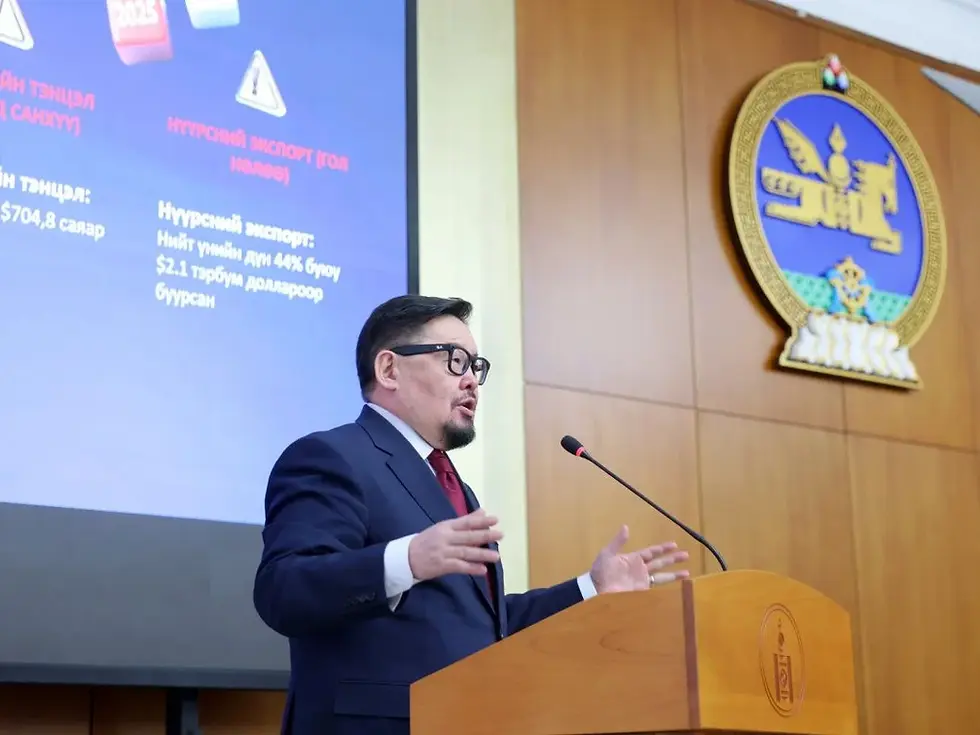
Prime Minister Gombojavyn Zandanshatar resigned on March 27, framing his exit as a sacrifice to restore stability and keep policy continuity intact.

In practice, his departure confirms a deeper failure inside the ruling Mongolian People’s Party to manage succession without destabilizing the state.
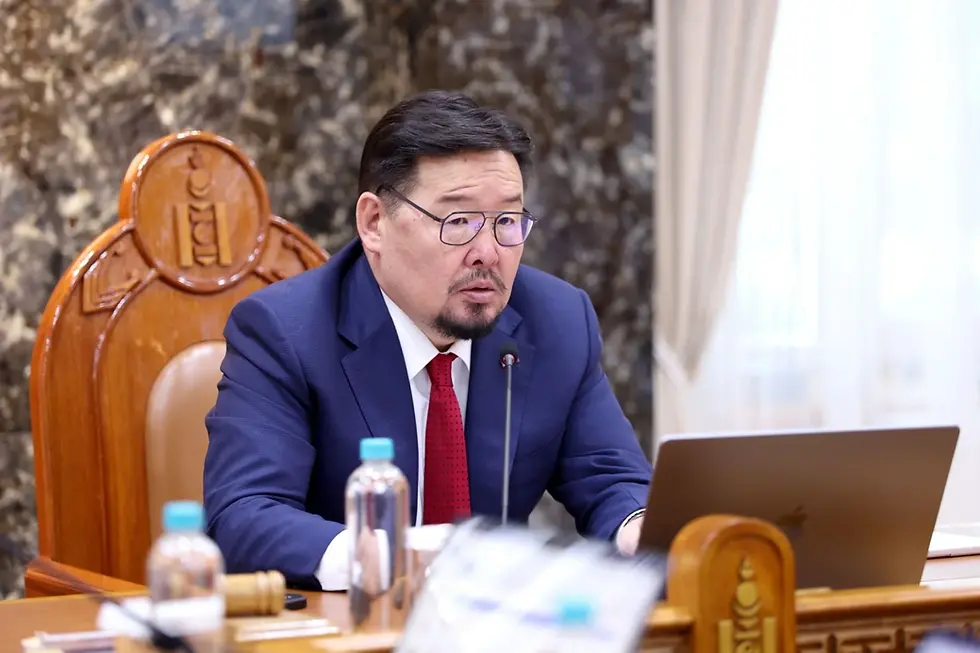
Only days earlier, Parliament was effectively frozen. Despite a 68-seat majority, the MPP could not secure quorum.
An internal rebel faction aligned with former Prime Minister Luvsannamsrain Oyun-Erdene refused to attend sessions, while the Democratic Party maintained its parliamentary boycott.
The immediate dispute centered on Speaker Nyam-Osoryn Uchral’s dual roles. The underlying issue was control of the party ahead of the 2027 presidential election.
Zandanshatar’s resignation resolves the procedural deadlock but not the structural conflict.
In his farewell address on March 27, he emphasized uninterrupted state policy and highlighted a record of 6.8% growth, stronger foreign reserves near $7 billion, and tighter fiscal management. He cast himself as a steward of continuity rather than a casualty of infighting.
The tone was calibrated. By stepping down now, he preserves political capital and avoids being tied to a likely potential economic squeeze driven by energy shortages and inflation later in 2026.
Want to read more?
Subscribe to mongoliaweekly.org to keep reading this exclusive post.