
From Caretaker to Commander? Mongolian Prime Minister Zandanshatar’s Make-or-Break Season

Zandanshatar came to power as the safe choice. Now, safety may be the riskiest position of all.
Prime Minister Gombojavyn Zandanshatar entered office in June 2025 as a compromise choice, embodying caution and consensus in a fractured political environment. Now, as Mongolia approaches his 100-day review, a crucial party congress, and a contentious budget season, that cautious style risks becoming a liability rather than a strength.
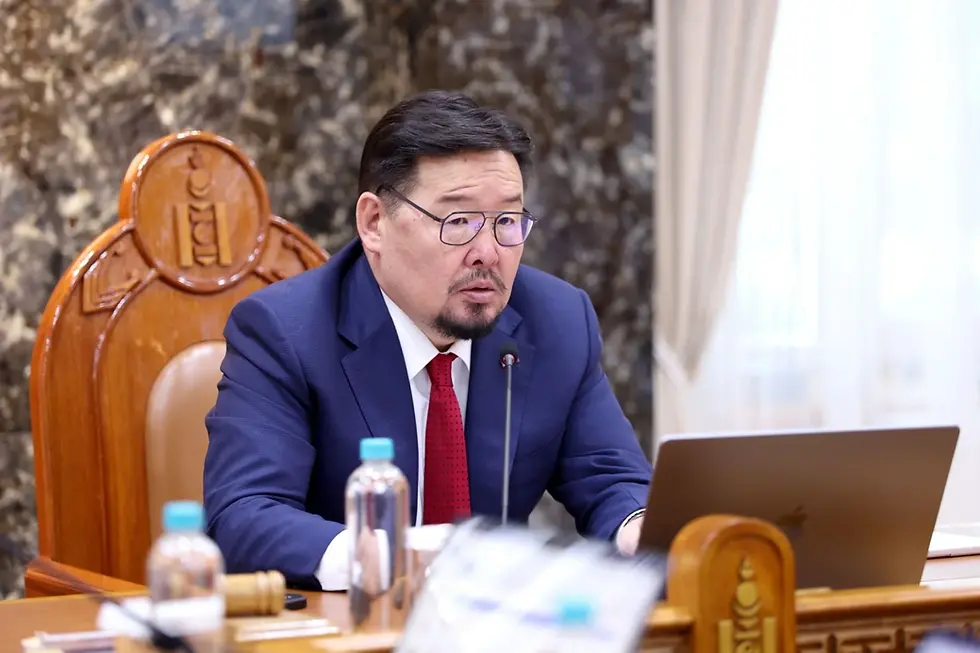
Zandanshatar’s tenure so far has been defined by restraint and an aversion to confrontation. This has helped prevent immediate turmoil but left his administration without a clear identity or bold agenda.
The public seems to see him more as a caretaker than a catalyst. Opposition critics deride his cabinet as weak, while inside the Mongolian People’s Party (MPP), his efforts to promote unity have only obscured his power base amid fierce factional rivalries.
His policy record reflects the same caution. A plan to raise VAT refunds to 5%appeases voters but risks widening deficits. Civil service layoffs — from weather services to child protection — have drawn fire for being uneven and opaque.
The launch of the e-Mongolia platform to crowdsource input on the 2026 budget raised hopes for genuine public engagement. But officials now admit that citizen ideas won’t directly shape spending, dampening early optimism. At the same time, key economic initiatives, like the stalled “Gold-3” program partially vetoed by the president, remain in limbo.
Mongolian prime minister's emphasis on predictability and continuity may appeal to the business community, but it clashes with a population demanding decisive action amid economic strain. His technocratic, low-profile style, shaped during his years as speaker amid an MPP supermajority, fails to inspire confidence. In a political system dominated by factional maneuvering, such caution is often mistaken for weakness undermining his ability to consolidate power and govern effectively.
Some defend this cautious consensus as a strategic necessity in Mongolia’s volatile political landscape. Avoiding open conflict may indeed be essential to maintaining stability. Yet this view underestimates the importance of leadership itself. Even in difficult environments, a leader’s capacity to assert authority and set direction shapes outcomes profoundly. Zandanshatar’s struggle is less about systemic barriers and more about a failure to project strength.
The autumn party congress will be decisive. Zandanshatar is expected to formally take over the MPP chairmanship from former premier Luvsannamsrain Oyun-Erdene, who technically still holds the party post. History warns that separation between party and government leadership breeds instability.
Rumors within the party question Zandanshatar’s availability to fully lead, given his possible 2027 presidential bid, complicating how his role is seen ahead of the 2028 elections.
Mongolia’s economic challenges demand more than cautious management. Zandanshatar’s 100-day review will test whether his leadership can evolve from quiet consensus into effective governance.
Without stronger authority, critical decisions on infrastructure, energy, and investor incentives will stall — and Mongolia’s fragile economic trajectory could snap.


Comments