
Another Emergency Fix for Mongolia’s Coal Behemoth
- Amar Adiya

- Jul 31, 2025
- 3 min read
A top-down overhaul of Erdenes Tavan Tolgoi coal mine in Mongolia repeats past patterns—cost-cutting orders, cabinet envoys, and little sign of lasting reform.
Mongolia’s cabinet has reasserted direct control over Erdenes Tavan Tolgoi (ETT), the state-owned coal giant, in early July 2025 by imposing a new ‘special regime’ and appointing a special cabinet envoy to oversee its operations.
Following that decision, Prime Minister Gombojavyn Zandanshatar visited the ETT and instructed to slash costs, boost exports by 50%, and subject every contract for review.
Yet despite this muscular, top-down intervention—a familiar pattern now—the diagnosis for ETT's deep-seated ailments remains political capture and poor governance. This latest 'special regime,' for all its forceful rhetoric, risks serving as merely another temporary patch, a potent painkiller that masks the underlying illness rather than delivering a lasting cure.
The SOE’s maladies are indeed well-documented, rooted in a history of profound political capture. Battulgyn Gankhuyag, the former CEO of ETT, was convicted and sentenced to 5 years 9 months in prison—later reduced to 3 years 9 months on appeal—for taking bribes and laundering money in connection contract award and related corruption. His was not an isolated case; other officials have similarly faced justice.
This persistent graft, which ignited mass public protests in Ulaanbaatar in 2022, signalled a deeper political malaise: ETT has, for years, functioned less as a commercial enterprise and more as a political slush fund. Its vast revenues, rather than being reinvested into strategic infrastructure or delivered as market-driven dividends to its citizen-shareholders, have frequently funded politically timed cash handouts, particularly ahead of elections. This familiar cycle of political appointments leading to mismanagement, and then breeding corruption and inefficiency, has crippled ETT’s potential.
This context renders the government’s current approach particularly concerning. It marks a distinct retreat from a more promising, systemic solution considered only last year: a plan to introduce international management for critical executive roles, specifically designed to insulate ETT from political interference and cultivate world-class governance. That path, which had even seen applications for foreign experts, now appears abandoned.
Instead, the government opted for direct state control under a special envoy, Byambasuren, a long-serving figure within the cabinet secretariat. While ostensibly a technocrat, his close ties to powerful political figures, such as Parliament Speaker Amarbayasgalan, raise concerns that one set of politically connected managers is merely replaced by another, thereby perpetuating the very cycle the 'special regime' aims to break.
To be sure, proponents of the government’s strong hand argue that urgency is paramount in expanding Mongolia's coal exports. With state coffers strained and export growth critical, they contend that only swift, decisive action can root out corruption and streamline operations effectively. International executives, the argument goes, would take too long to hire and might lack the local nuance to navigate Mongolia’s complex political and logistical landscape. When the house is on fire, after all, you call the fire brigade, not a team of architects.
Yet the repeated imposition of emergency regime on ETT since 2022 is itself proof of their failure as a long-term solution. Problems persist even under direct state oversight.
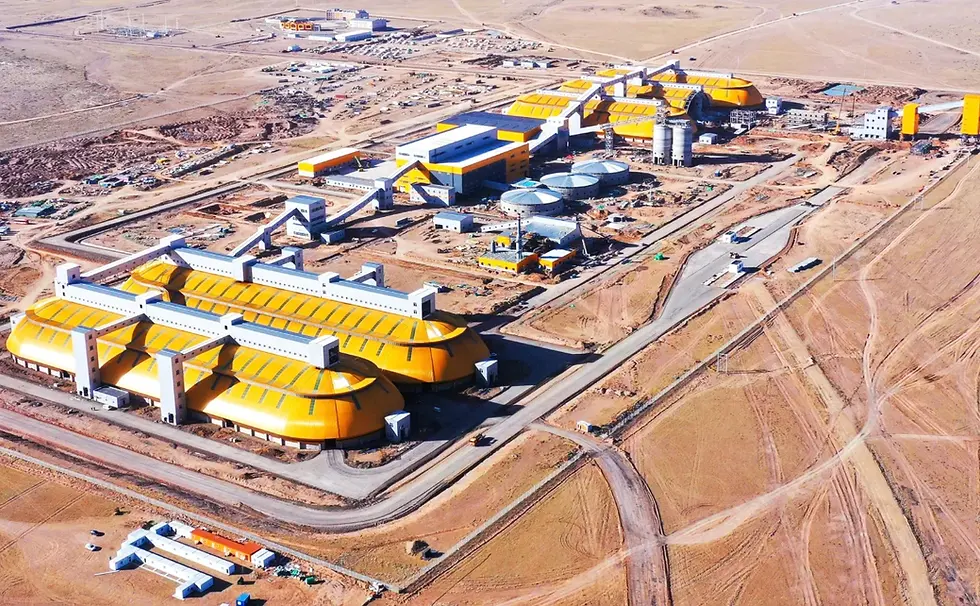
The newly built Tavan Tolgoi Coal Logistics Centre, designed to streamline shipments, has not been working to its full capacity. Furthermore, on his recent visit, Prime Minister Zandanshatar publicly decried the staggering inefficiency of building a crucial coal concentrator plant a full 12 kilometres from the mine—a logistical blunder, born of poor planning, that adds immense, unnecessary costs.
These are not failures a three-month 'special regime' can easily reverse; they are baked-in consequences of poor long-term planning and governance. These deeply rooted issues underscore precisely why an independent, professional management team is desperately needed to implement the systemic reforms that transient interventions cannot.
While everyone is largely accustomed to the state's tight grip on ETT, this familiar pattern reinforces existing skepticism about Mongolia's true commitment to market-based principles.
The imperative for ETT is not merely to survive the next quarter, but to build a resilient institution immune to political cycles.


Comments