
Mongolia Coal Exports Surge, Budget Gains

China demand fattens Erdenes Tavan Tolgoi’s coffers.
Mongolia’s finances, in trouble just months ago, suddenly look flush. Exports from Erdenes Tavan Tolgoi (ETT), the state coal behemoth, have doubled since June, sending revenues soaring from $90 million to $210 million in barely six weeks.
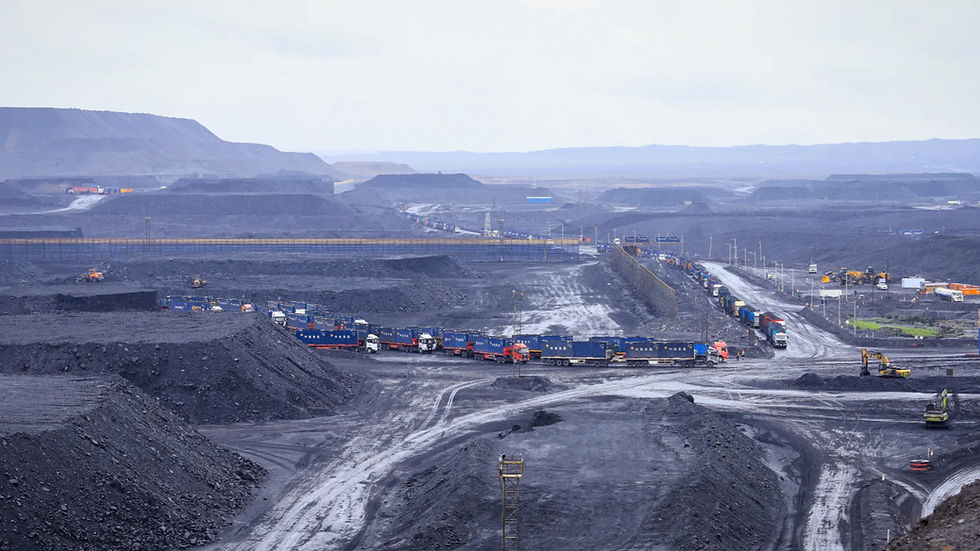
For Prime Minister Zandanshatar, the rescue arrives just in time for bruising budget battles this fall. But the turnaround owes little to policy and everything to the market.
Coking coal prices at China’s Ganqimaodu crossing jumped 42% over the summer, fattening ETT’s balance sheet overnight. Officials readily admit they are cashing in on the rally.
The government has wrapped ETT in a special Cabinet management regime, and trumpets cost-cutting and corruption probes at a concentrator plant—bizarrely built 12 kilometers from the mine—as signs of reform. In truth, the measures look more like window dressing on a lucky break.
That distinction matters. Mongolia's coal windfalls give breathing room but often delay structural change. With ETT suddenly awash in cash, Zandanshatar may feel less pressure to pursue privatization, diversification or serious depoliticization—reforms needed to insulate the country from the next downturn.
The political payoff is immediate. A healthier ETT means a softer budget squeeze, letting the prime minister present himself as a competent steward and press ahead with his own spending priorities. Yet the miner’s chronic ailments remain.
Also, value-added processing could be a bust because Chinese buyers still prefer unwashed coal, primarily due to cost considerations. Foreign investment and expertise remain scarce. Governance is as murky as ever: the Anti-Corruption Agency is already sniffing around the mis-sited coal plant.
To credit state management for August’s spike is to miss the obvious. ETT is riding China’s appetite, not its own efficiency. Even as new processing capacity comes online, the firm still favors raw exports, a reminder that Chinese buyers, not ministries, dictate outcomes.
For now, rising revenues shore up Zandanshatar’s position. The question is what he does with the reprieve. Mongolia has lived through this cycle before: sudden riches, political complacency, then the hard landing when prices fall. If the prime minister spends the boom as cover for inertia, this surge will be remembered not as a turning point but as another mirage—proof of a state quick to seize luck, and slow to earn it.


Comments