Why the Ousting of Ulaanbaatar's Mayor Is Really a Power Play by PM Uchral

On May 16th, Ulaanbaatar Mayor Khishgeegiin Nyambaatar was dismissed. The official reason was mundane enough. The city had mismanaged its meat reserves, causing prices to spike and stoking public anger. Prime Minister Nyam-Osoryn Uchral noted that of more than 5,000 tonnes of stockpiled meat, roughly 2,500 tonnes had never reached the market. An investigation into city projects and tenders is now underway. Few observers, however, think the beef is really about beef.
Nyambaatar was widely regarded as one of the last prominent loyalists of former Prime Minister Oyun-Erdene. His removal looks far less like routine administrative discipline than a political purge dressed up as governance reform. Corruption allegations and controversial infrastructure contracts had dogged his tenure for months, giving critics plenty of ammunition. But the timing matters. The wave of public fury that greeted his video statement gave Uchral a convenient, publicly palatable pretext. He used it.
Uchral is moving quickly. Rumours of a broader government reshuffle are intensifying, and the prime minister appears intent on sidelining figures tied to the previous power structure well before national elections in 2027 and 2028. Reports have also emerged that Uchral has been sounding out the opposition Democratic Party about a coalition, a suggestion the DP promptly denied.
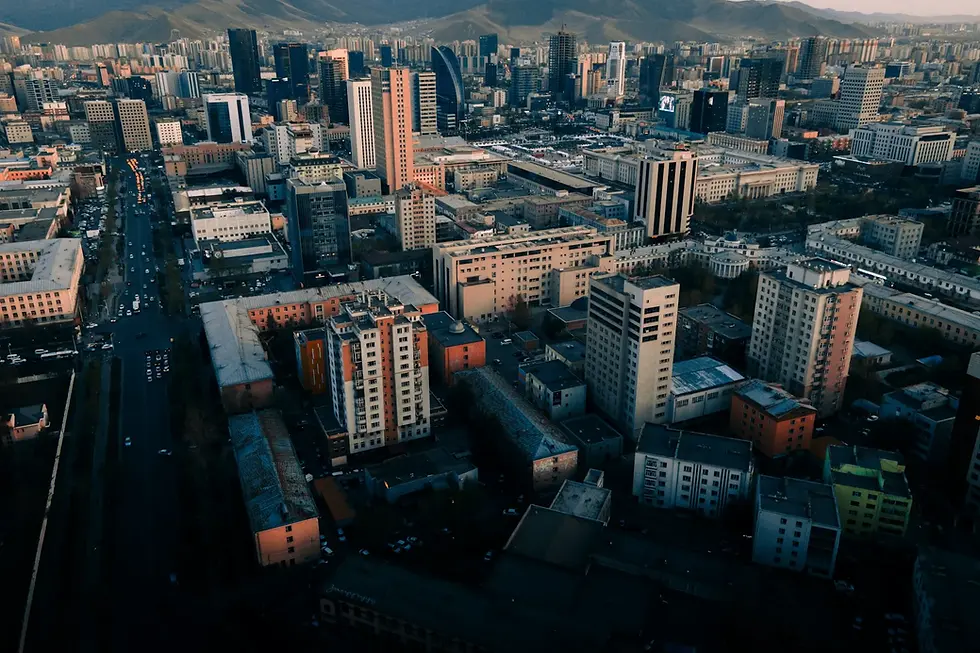
The capital city is the most visible prize. Whoever runs Ulaanbaatar controls a city of over 1.6m people and a large share of Mongolia's economic activity. Installing a trusted loyalist there is not just symbolically important. It shapes candidate lists, resource flows and party discipline in the run-up to the vote.
Want to read more?
Subscribe to mongoliaweekly.org to keep reading this exclusive post.