
Mongolia's Trade with Russia-led EAEU Faces Headwinds

The proposed free trade agreement encounters notable domestic reservations. Its ultimate benefits are far from assured.
Observers are noting a degree of unease surrounding this potential agreement, with questions arising about its overall advantages for Mongolia. The central issue is whether the prospective benefits outweigh the understandable concerns being voiced within the country.
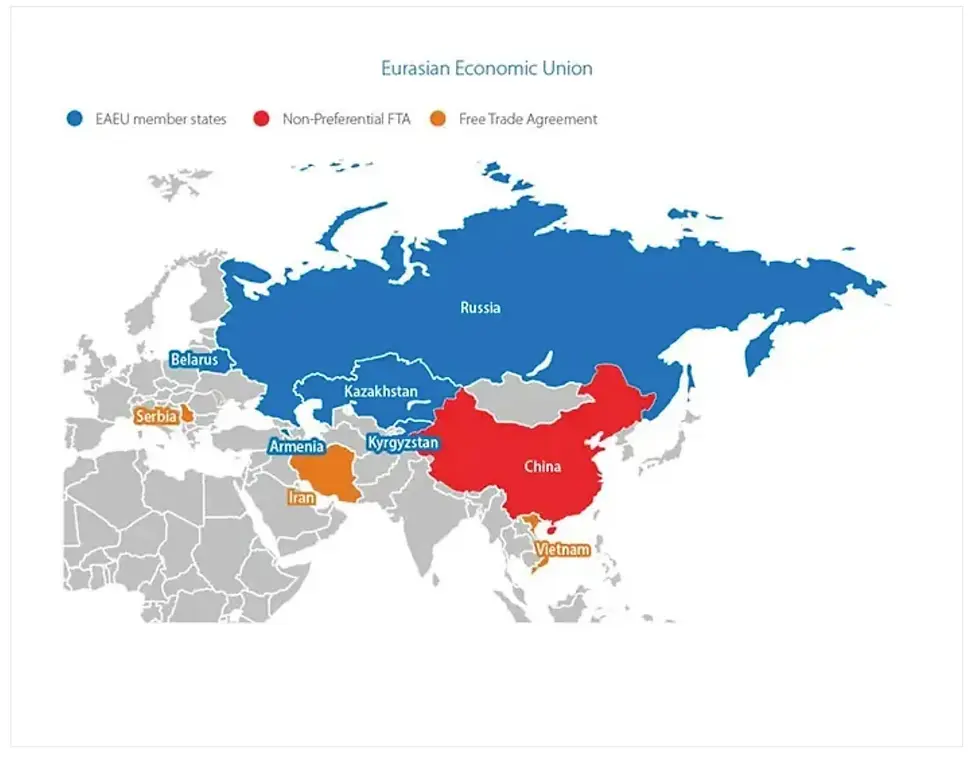
Negotiations with the Eurasian Economic Union (EAEU), while progressing, have revealed some potential challenges. While the goal is expanded trade opportunities, particularly for Mongolian agricultural exports, the economic realities present a nuanced picture.
The EAEU bloc, with its significant industrial capacity, may present considerable competition for certain Mongolian sectors. Industries like dairy, alcohol production, and baked goods are reportedly areas where domestic producers could face pressure from potentially cheaper imports. The existing trade dynamic, marked by a substantial deficit for Mongolia with Russia, mainly due to oil imports, adds another layer to this economic consideration.
While the precise details of tariff reductions were still emerging, the provisional agreement encompasses approximately 375 product categories from Mongolia that would gain duty-free access to the five countries of the Eurasian Economic Union.
This provides a clearer sense of the scope of the agreement, though further specifics on which products are included and the potential impact on specific Mongolian industries remain important considerations. Furthermore, the limited opportunities for Mongolian investment within the EAEU raise questions about the long-term reciprocity of the arrangement.
Domestically, the free trade agreement (FTA) is encountering political complexities. The ruling MPP is advocating for the agreement, but there appears to be hesitancy from coalition partners, particularly the Democratic Party. Their reservations, partly rooted in historical and political perspectives on Russia, underscore the delicate political landscape surrounding this initiative.
This political dimension aligns with a broader public sentiment where the FTA is being met with a degree of skepticism. Understanding and addressing these public concerns will be important as the process moves forward.
Given these factors, it's perhaps unsurprising that the initial timeline for concluding the FTA by the end of 2024 is now viewed as optimistic. Domestic considerations suggest a more cautious and extended timeline may be necessary.
Ultimately, the potential for this EAEU agreement to genuinely benefit the Mongolian economy remains a key question. Navigating the existing trade imbalances, addressing the concerns of specific domestic industries, and achieving broader political buy-in will be essential for this initiative to move forward successfully.


Comments